
Overview
The Red Fox (Vulpes vulpes) is the world’s most widely distributed wild carnivore, an extraordinarily adaptable animal that has successfully colonized almost every environment in the Northern Hemisphere. From the frozen Arctic tundra to the scorching deserts of North Africa and the bustling streets of London, the Red Fox thrives where other species fail. Often depicted in folklore as the “cunning” trickster, its reputation is well-earned; the fox is a highly intelligent problem-solver with a remarkable ability to exploit a wide variety of food sources and habitats. As an opportunistic generalist, it plays a vital role in regulating rodent populations and maintaining ecological balance.
Biology and Physical Characteristics
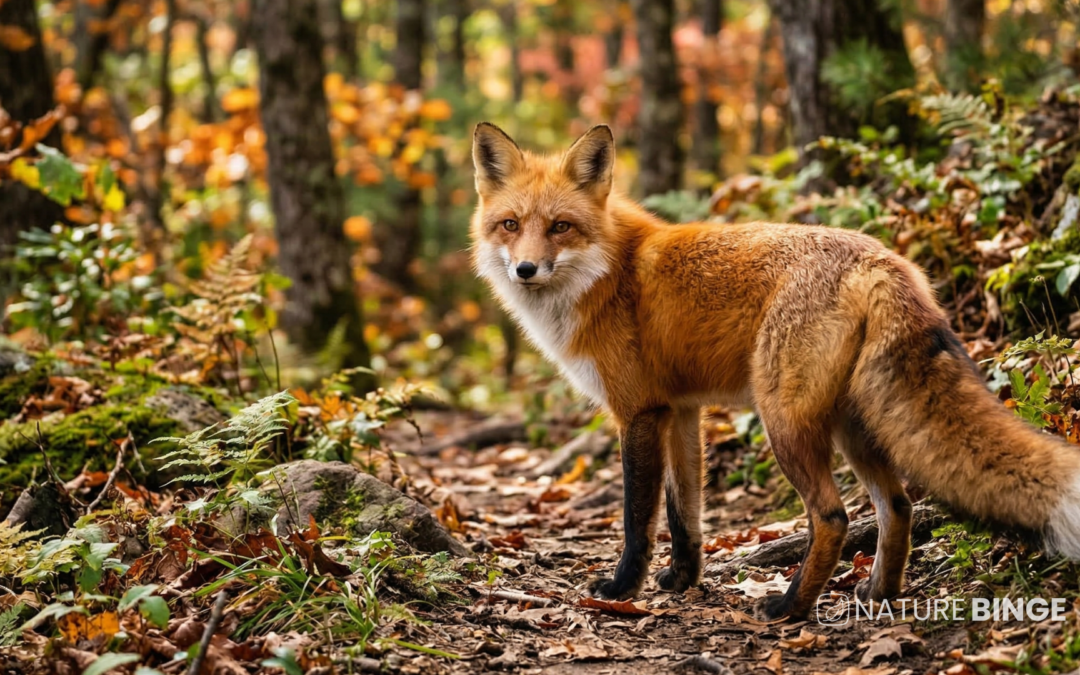
The Red Fox is a member of the Canidae family, but it possesses several feline-like traits, such as vertical slit pupils that provide excellent night vision and the ability to partially retract its claws. Its most recognizable feature is its thick, luxurious fur, which is typically a rusty-red color, though variations like silver, cross, and black are common. Regardless of the color, almost all red foxes share a white-tipped tail, known as a “brush,” which is essential for balance during high-speed chases and acts as a warm wrap for the face and paws during sleep.
Their sensory systems are finely tuned for hunting. A Red Fox has exceptional hearing, capable of detecting the low-frequency sounds of small mammals scurrying underground or beneath deep snow. They also utilize the Earth’s magnetic field as a “rangefinder” when pouncing on prey—a behavior known as “mousing.” When a fox jumps high into the air and dives nose-first into the snow, it is often aligning its leap with magnetic north to increase its accuracy. Their slender, athletic build and long legs allow them to reach speeds of up to 30 mph, making them effective predators of both fast and elusive prey.
Behavior and Ecology
Red Foxes are generally solitary hunters, though they live in small, flexible family groups during the breeding season. A breeding pair, often assisted by “helpers” (usually female offspring from the previous year), will raise a litter of kits in an underground den. These dens are often expanded versions of burrows abandoned by other animals. Foxes are highly vocal, utilizing a wide range of barks, screams, and howls to communicate with family members and defend their territory. Their ability to adapt their behavior to their surroundings is one of their greatest strengths, allowing them to thrive in human-dominated landscapes.
Ecologically, the Red Fox is a vital regulator of small mammal populations. While its diet is primarily composed of rodents and rabbits, it is a true omnivore, consuming fruit, insects, and even carrion when necessary. In urban environments, they are expert scavengers, navigating the city with ease and feeding on food waste. By controlling rodent numbers, they provide a valuable service to farmers and gardeners. However, in areas where they have been introduced, they can pose a threat to sensitive ground-nesting birds, highlighting the complex role they play in different ecosystems.
Conservation and Human Impact
Currently classified as Least Concern by the IUCN, the Red Fox is a highly successful species with a stable global population. However, they are frequently targeted by humans due to their reputation as poultry thieves and their role as carriers of diseases like rabies and mange. In some regions, they are still hunted for their fur or for sport, though public sentiment regarding fox hunting has shifted significantly in many Western countries.
The greatest modern challenge for the Red Fox is habitat fragmentation and the increasing overlap with human settlements. Paradoxically, the fox has benefited from human development, as the “edge” habitats created by suburbs and agriculture provide abundant food and cover. Urban foxes have become a common sight in many world cities, representing one of the few large wild animals that have successfully integrated into human urban life. Conservation efforts are generally focused on managing human-wildlife conflict and protecting the biodiversity of native ecosystems where the fox resides, ensuring that this resilient and intelligent animal continues to thrive alongside us.