
Overview
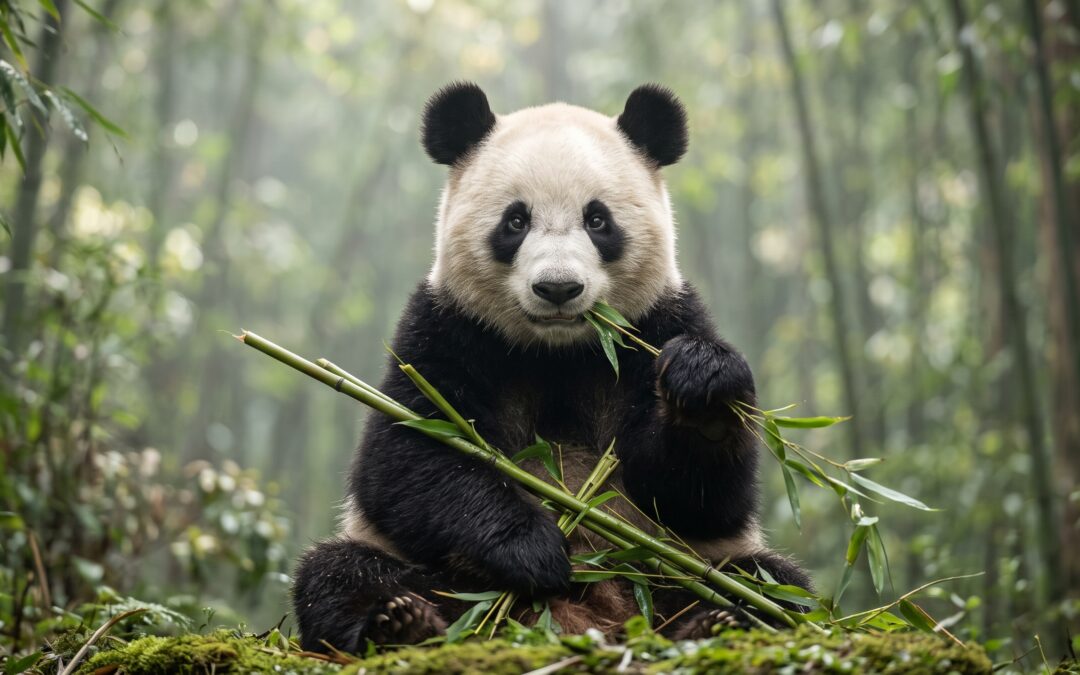
The Giant Panda (Ailuropoda melanoleuca) is an iconic, charismatic mammal celebrated globally as a flagship symbol of wildlife conservation. Native exclusively to the misty, bamboo-blanketed mountain highlands of southwestern China, this specialized member of the bear family (Ursidae) is instantly recognized by its striking black-and-white pelage, rotund body, and gentle, ponderous demeanor. Despite belonging biologically to the order Carnivora, the panda has undergone millions of years of evolutionary specialization to thrive on an almost exclusively vegetarian bamboo diet, playing an indispensable keystone role in regulating the vegetative dynamics of China’s montane cloud forest ecosystems.
Biology and Physical Characteristics
Adult giant pandas display remarkable physical adaptations tailored for an abrasive, fibrous diet. Their broad, heavily muscled skulls support massive zygomatic arches and enlarged molars capable of delivering a crushing bite force comparable to a brown bear, pulverizing tough woody culms with ease. A sixth digit—a specialized radial sesamoid wrist bone known as a ‘pseudo-thumb’—functions opposably against five clawed digits, enabling dexterous manipulation and stripping of bamboo stalks. Their digestive tract retains the simple, single-chambered stomach and short intestine of a carnivore, lacking the cecum and symbiotic microbes required to digest cellulose; consequently, pandas absorb only 15–20 percent of consumed energy and must spend up to 14 hours per day ingesting 25 to 80 pounds (12–38 kg) of plant matter to meet basal metabolic requirements.
Behavior and Ecology
Giant pandas are primarily solitary, nomadic foragers that maintain loosely overlapping home ranges delineated by scent markings. They possess an acute olfactory sense, using specialized anogenital glands to deposit chemical secretions and claw marks on tree trunks, communicating reproductive status, age, and territorial boundaries without physical confrontation. Females experience a remarkably brief annual estrus lasting only 24 to 72 hours in the spring. Following a variable gestation period prolonged by delayed embryo implantation, mothers typically give birth to one or two tiny, altricial cubs weighing a mere 3.5 to 5 ounces (100–140 g)—roughly 1/900th of the mother’s mass. In the wild, mothers lack the resources to nurse twins, investing exclusively in the stronger infant while the other perishes.
Conservation and Human Impact
Historically imperiled by pervasive agricultural clearing, commercial timber extraction, and infrastructure development that splintered wild populations into disconnected mountain islands, giant pandas have benefited from one of the most comprehensive conservation interventions in history. The Chinese government, in partnership with international bodies, established the Giant Panda National Park spanning over 10,000 square miles across Sichuan, Shaanxi, and Gansu, connecting dozens of historical reserves via reforested ecological corridors. In 2016, the International Union for Conservation of Nature (IUCN) officially downlisted the species from Endangered to Vulnerable. However, climate change poses an emerging threat, projected to alter the distribution of native bamboo species at high elevations and necessitate ongoing monitoring and cross-reserve translocations.
Interesting Factoid
Despite being born pink, hairless, blind, and roughly the size of a stick of butter, giant panda cubs undergo a dramatic metabolic transformation, multiplying their birth weight by more than 800 times within their first year of life.