
Overview
The Oyster Mushroom (Pleurotus ostreatus) is one of the most common, recognizable, and ecologically versatile fungi in the world. Named for its shell-like shape and its subtle, seafood-like flavor, it is a master of wood decay found in temperate and tropical forests globally. Beyond its culinary popularity, Oyster Mushrooms are powerhouses of biological innovation, renowned for their aggressive ability to break down both natural and man-made pollutants through a process called mycoremediation. As a primary decomposer of hardwood logs and stumps, it plays a fundamental role in forest nutrient cycling and the natural cycle of death and renewal. Its existence is a remarkable study in fungal resilience, specialized predatory behavior, and the incredible potential of “medicinal mushrooms” to heal both the land and the human body.
Biology and Physical Characteristics
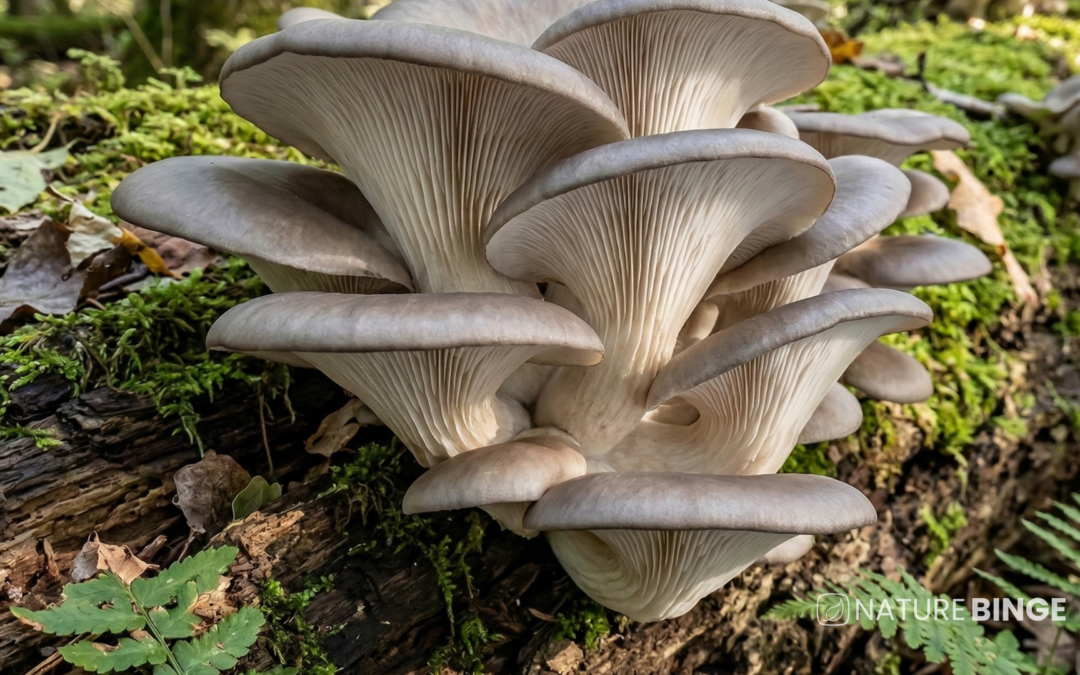
The biology of the Oyster Mushroom is defined by its robust, shelf-like structure and its unique method of nutrient acquisition. Unlike typical mushrooms that grow vertically, the Oyster Mushroom grows horizontally in overlapping clusters. They possess a smooth, eccentric cap that ranges in color from pearly white to dark grey or brown. The gills are decurrent, meaning they run down the short, thick stem. Biologically, it is a “white-rot” fungus, producing specialized enzymes that break down both lignin and cellulose in decaying wood, leaving a soft, stringy white decay that provides essential minerals back to the forest soil.
One of their most extraordinary biological traits is their “carnivorous” behavior. While they are primary decomposers of wood, Oyster Mushrooms also hunt and consume microscopic soil worms called nematodes. The mushroom’s mycelium produces specialized, toxin-secreting structures that paralyze the worms upon contact, allowing the fungus to digest them for a vital source of nitrogen. Biologically, the fungus is highly resilient, capable of fruiting in almost any season provided there is adequate moisture. Their spores are produced on the surface of the gills and are released into the wind to colonize new forest areas, ensuring the continuation of the nutrient cycle. This combination of structural scale, aggressive recycling, and specialized predatory behavior makes the Oyster Mushroom one of the most successful fungi on the planet.
Behavior and Ecology
In the forest, the Oyster Mushroom is a primary agent of stability and change. By breaking down large timber, it accelerates the turnover of forest biomass and supports the growth of new plants. You will often find them covering an entire log, as the underground mycelium can dominate a single wood source for several years. Their presence is a sign of a healthy and functioning woodland ecosystem with active nutrient cycling. Ecologically, Oyster Mushrooms also provide a microhabitat and food source for various specialized soil organisms and insects.
Ecologically, the Oyster Mushroom occupies a vital tier in the fungal food web, acting as both a primary recycler and a high-protein food source for various forest wildlife, including mammals and large invertebrates. Their role in the carbon cycle is essential for the long-term health of the planet’s forests. In human culture, the mushroom is a global treasure for its culinary and medicinal value. Because it is widely distributed and easy to identify, it is a primary focus for both foragers and commercial growers. The relationship between the Oyster Mushroom and the forest is one of constant transformation, where the death of a single tree provides the chemical building blocks for an entire community of life to thrive.
Conservation and Human Impact
While the Oyster Mushroom is a highly successful and widespread species that is not currently of conservation concern, it is sensitive to the over-management of forests. The removal of dead wood and standing snags from woodlands reduces the available habitat for the fungus and can disrupt the local nutrient cycle. Leaving dead logs and fallen timber in place is a simple but effective way to support Oyster Mushrooms and the myriad of other species that depend on decaying wood for survival. Public education about the value of fungal biodiversity is also essential.
The most significant human impact on the Oyster Mushroom is its integration into the global sustainable technology and food industries. As interest in “mycoremediation” grows, the demand for high-quality Oyster Mushroom mycelium has surged for use in cleaning oil spills and decomposing toxic plastics. This has led to advancements in mycology and a greater appreciation for the role of fungi in environmental restoration. From the forest log to the laboratory, the Oyster Mushroom represents the incredible potential of the fungal kingdom to heal and sustain the world. Its enduring presence is a reminder that nature’s most valuable treasures are often found in the quiet, decaying corners of the woods, working silently to sustain the life of the forest through the constant cycle of renewal. Protecting the Oyster mushroom ensures that the “great healers of the woods” continue their work for generations to come.