
Overview
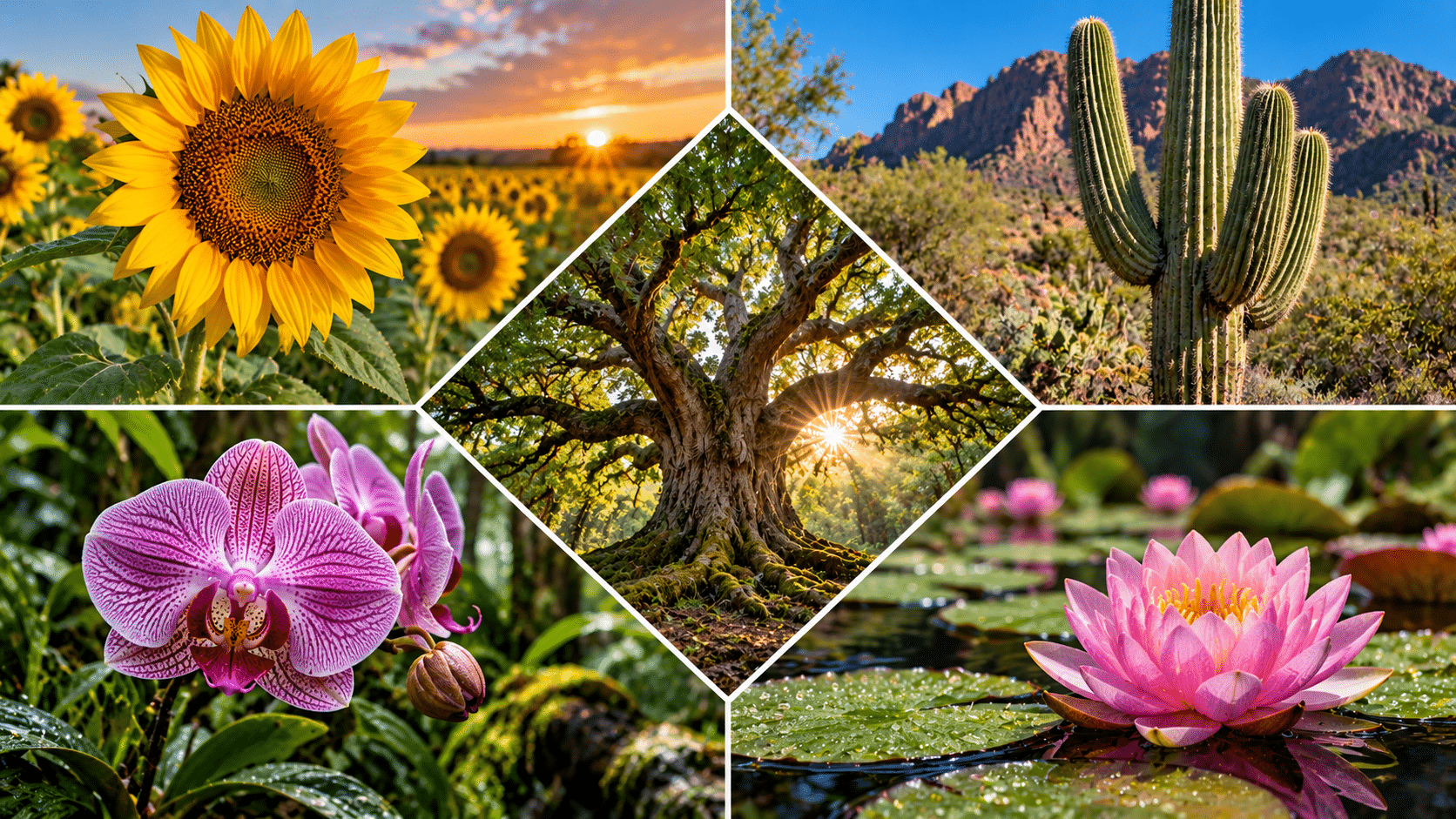
The Northern Red Oak (Quercus rubra) is one of the most majestic, resilient, and ecologically significant trees in the North American hardwood forest. Known for its massive, broad-reaching canopy, its deeply furrowed bark, and its spectacular autumn display of brilliant red foliage, it is a tree of immense historical and cultural importance. Found from the Canadian Maritimes to the high ridges of the Appalachians, the Northern Red Oak is a master of adaptation and competitive dominance. As a foundation species, it provides critical food and habitat for a vast array of wildlife and is a primary driver of carbon sequestration in the temperate forest. Its existence is a remarkable study in structural resilience, specialized seed engineering, and the vital role of “monarch trees” in maintaining the health and diversity of the American wilderness. Beyond its ecological value, the Northern Red Oak remains a cornerstone of the American timber industry and a primary focus for sustainable hardwood forestry.
Biology and Physical Characteristics
The biology of the Northern Red Oak is optimized for rapid growth and long-term dominance. Their most striking feature is the bark—on young trees, it is smooth and grey, becoming deeply furrowed into flat-topped ridges that resemble “ski tracks” as the tree matures, providing exceptional protection against fire and insects. One of their most specialized biological traits is their high tannin content, which protects the wood from rot and makes the leaves unpalatable to many common herbivores. Their leaves are alternately arranged, possessing deep lobes with sharp, bristle-tipped points—a key identifying trait of the red oak group.
Northern Red Oaks are angiosperms, producing inconspicuous flowers in early spring. Their fruit is a large, bitter acorn encased in a shallow, saucer-like cap. These acorns require two years to mature and are a vital high-energy resource for forest mammals and birds, although they are less palatable than those of white oaks due to their higher tannin levels. The tree possesses a powerful taproot and a wide-reaching lateral root system that provides exceptional stability in the well-drained, acidic soils they prefer. Biologically, they are among the fastest-growing oaks, reaching maturity within 150 years but capable of living for four centuries. Their wood is heavy, close-grained, and resistant to impacts, a trait that historically made it the primary material for the flooring and furniture of early America. This biological efficiency and structural resilience make the Northern Red Oak a vital link to the ancient forests of the continent.
Behavior and Ecology
In the temperate forest, the Northern Red Oak is a primary architect of structure and change. As a “climax species,” it is a dominant member of mature hardwood forests, often associated with maples and hickories. Its massive canopy provides a cool and shaded microclimate on the forest floor, supporting a diverse community of mosses, ferns, and specialized fungi. Ecologically, the Northern Red Oak is a central player in the forest food web. Its acorns are a primary winter food source for squirrels, chipmunks, and birds like the Blue Jay, while its massive branches provide nesting habitat for numerous species, including the Bald Eagle.
The relationship between the Northern Red Oak and the nutrient cycle is one of total interdependence. The tree acts as a natural soil builder, drawing minerals from the subsoil and returning them to the forest floor through its nutrient-rich leaf litter. Furthermore, red oak forests are among the most effective carbon sequesterers in the eastern region, locking away massive amounts of organic carbon within their dense wood and the forest soil. However, this reliance on stable environments makes the tree sensitive to over-management and the loss of natural disturbance cycles. The health of a red oak grove is a direct measure of the integrity and age of the landscape, representing a balance between rapid growth and centuries of ecological support. The tree acts as a biological guardian of the ridges and valleys, a species whose endurance has allowed it to witness the rise and fall of civilizations across North America.
Conservation and Human Impact
While the Northern Red Oak is currently listed as Least Concern, they face threats from habitat loss due to development and the impacts of invasive pests like the gypsy moth and the emerald ash borer (which can indirectly affect forest composition). Over three centuries of intensive harvesting have reduced the number of large, high-quality trees in the wild. Today, while the species is widely planted in managed forests, the protection of the remaining ancient groves is a high priority. Historically, the tree was a cornerstone of the early American frontier economy, and modern research continues to explore its potential for sustainable agroforestry and carbon-offset projects.
Conservation efforts focus on the protection of diverse hardwood forests and the promotion of sustainable forestry practices that maintain the genetic diversity of the species. Maintaining forest connectivity and protecting the native wildlife that depends on oakmast are essential for the survival of the forest’s biodiversity. Scientific research into the genetics of drought resistance in red oak is providing new insights into how hardwood forests can adapt to a changing world. Protecting the Northern Red Oak is about more than just saving a tree; it is about safeguarding the incredible biological wealth and history of the North American wilderness. These red-leaved titans remain a powerful symbol of the raw energy and resilience of the wild. Protecting the oak ensures that the “jewel of the forest” continues to provide for the community for generations to come.