

Overview
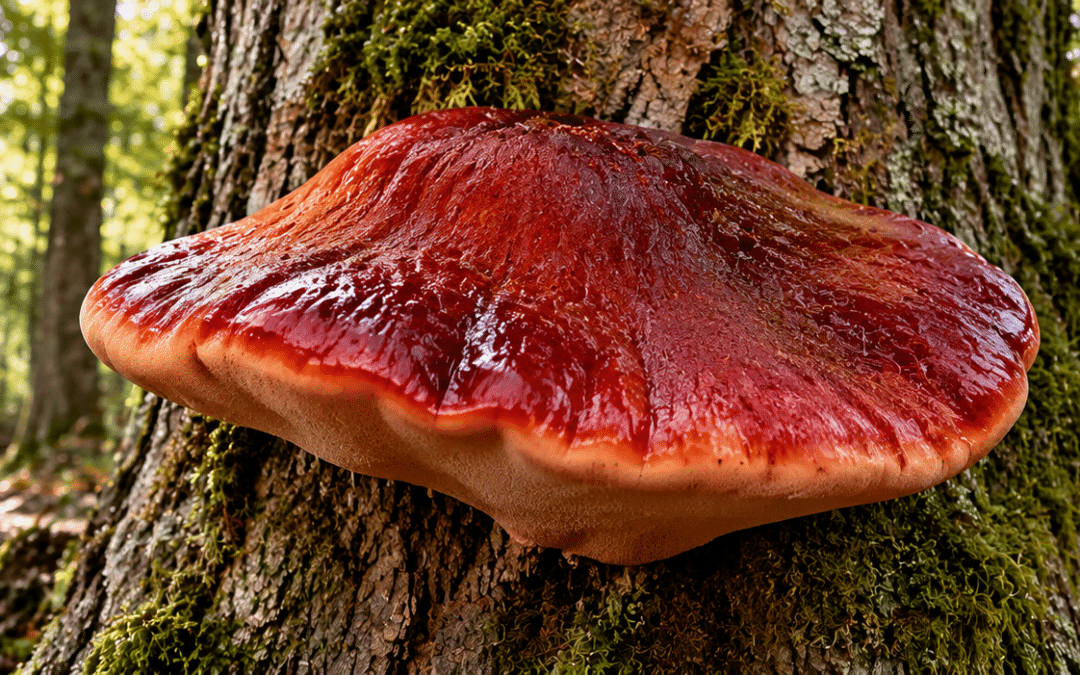
The Beefsteak Fungus (Fistulina hepatica), also vividly known in European folklore as the Ox Tongue or Liver Fungus, is a bizarre, unmistakable bracket fungus belonging to the family Fistulinaceae within the order Agaricales. Found throughout ancient deciduous woodlands and historic parklands of Europe, North America, and Australia, this flesh-like macrofungus is renowned for its uncanny resemblance to a raw cut of red meat. Growing as a shelf-like bracket on the trunks and root bases of mature oak (Quercus) and sweet chestnut (Castanea) trees, the beefsteak fungus occupies an ecologically specialized niche as a mild heartwood parasite and saprotroph.
AT A GLANCE
- Common Name: Beefsteak Fungus
- Scientific Name: Fistulina hepatica
- Category: Fungi
- Subcategory: Fistulinaceae & Agaricales
- Size: Cap width 10–30 cm (4–12 in); thickness up to 6–8 cm (2.4–3.1 in)
- Weight: 0.5–2.5 kg (1.1–5.5 lb); exceptionally up to 4 kg
- Lifespan: Annual fruiting body (persists 2–6 weeks); underground/internal mycelium survives decades
- Diet: Parasitic and saprotrophic (breaks down heartwood cellulose and lignin in deciduous hardwoods)
- Habitat: Ancient deciduous woodlands, parasitic and saprotrophic on living and decaying oaks (Quercus) and sweet chestnuts (Castanea)
- Range: Temperate regions of Europe, North America, and parts of Australia
- Conservation Status: Least Concern (IUCN Red List)
The visceral similarity between Fistulina hepatica and mammalian muscle tissue extends far beyond superficial appearance. When cut or damaged, the firm, succulent red flesh exudes a deep crimson, blood-like juice rich in astringent tannic acid. Biologically, the fungus is distinguished from conventional bracket polypores by its unique hymenial structure: rather than having its pores fused into a rigid, continuous honeycomb grid, each of its microscopic pore tubes is completely separate and free-standing. Historically esteemed as a wild edible with a sharp, lemony, acidic flavor, this fungus also holds historic forestry fame for inducing ‘brown oak’—a rich, deep chestnut-colored timber prized by woodworkers.
Biology and Physical Characteristics
The fruiting body (basidiocarp) of the Beefsteak Fungus is massive, sessile or short-stemmed, forming a thick, semicircular or tongue-shaped bracket measuring 10 to 30 cm across and up to 8 cm thick, weighing up to 2.5 kg. The upper surface is moist, finely papillate or pebbled, and covered in a gelatinous cuticle that feels sticky to the touch. In young specimens, the cap is a bright liver-red or carmine, darkening with age to a deep reddish-brown or mahogany. The internal context (flesh) is thick, juicy, and striated with red and white marbling, creating a fibrous texture indistinguishable to the naked eye from raw beefsteak.
The spore-bearing surface (hymenium) on the underside of the bracket exhibits a unique morphological architecture that defines the genus Fistulina (meaning ‘small pipe’ or ‘reed’). Instead of a unified pore layer, the underside is composed of thousands of crowded, completely separate, cylindrical tubes that hang downward like tiny individual pipes. Initially pale cream or yellowish, these pore mouths bruise reddish-brown when touched. The basidiospores are smooth, broadly ellipsoid, and produce a pale pinkish-salmon to rusty-ochre spore print, dispersed by air currents swirling around old-growth tree hollows.
Behavior and Ecology
The Beefsteak Fungus functions ecologically as a specialized brown-rot agent that targets ancient veteran trees. Entering through root injuries, branch tears, or woodpecker excavations, the fungal hyphae colonize the inner heartwood of mature oaks. Uniquely, Fistulina hepatica decomposes cellulose while largely preserving the structural lignin matrix, proceeding at an exceptionally slow, non-aggressive pace that allows ancient oak trees to persist and flourish for centuries even while harboring active fungal colonies.
As the mycelium feeds, it metabolizes the oak’s high concentrations of defensive tannins, chemically transforming the pale wood into a warm, rich, chocolate-brown timber known as ‘brown oak.’ In forest ecosystems, this gradual hollow-forming decay creates vital habitat niches; by slowly softening the internal heartwood, the fungus creates spacious tree hollows essential for nesting bats, owls, and rare saproxylic beetles like the stag beetle (Lucanus cervus). The annual brackets appear from mid-summer through late autumn, providing high-moisture food resources for forest gastropods and mycophagous flies.
Conservation and Human Impact
The Beefsteak Fungus is categorized as Least Concern on the IUCN Red List, widespread throughout temperate European and eastern North American deciduous forest biomes. Its populations are generally secure wherever ancient oak pastures and protected old-growth reserves are maintained, such as England’s New Forest and Sherwood Forest, or North America’s Great Smoky Mountains.
However, the species is an obligate associate of veteran and ancient trees, making it vulnerable to commercial forestry practices that harvest trees on short commercial rotations (50–100 years), which eliminates the old-growth heartwood the fungus requires to fruit. Modern conservation management in historical parklands and ancient woodlands now recognizes the beefsteak fungus as an indicator of high ecological value, emphasizing the retention of standing deadwood and veteran trees. Long celebrated in European foraging culture, its high vitamin C and tannic acid content gave it historical utility as a scurvy preventative and an esteemed substitute for meat in traditional country kitchens.
Interesting Factoid
When sliced with a knife, the Beefsteak Fungus looks and acts so eerily like raw mammalian steak that red ‘blood’ (a crimson, tannin-rich juice) actually oozes out from its marbled red-and-white grain, making it one of the most anatomically surreal fungi in the natural world.